Quick answer
A single, audible click when you turn the key — followed by silence with no cranking — almost always means the starter circuit is at fault: the starter solenoid engages once but the starter motor never spins. This is distinctly different from rapid, repeated clicking (click-click-click), which indicates a dead or weak battery. The most common culprits are a failing starter motor or solenoid, loose or corroded battery terminals, or a bad engine ground cable.
Common causes of a single click
- Failing starter motor or starter solenoid — the single most common cause of one click and silence, where the solenoid pushes the drive in once but the motor's brushes or windings can't spin it
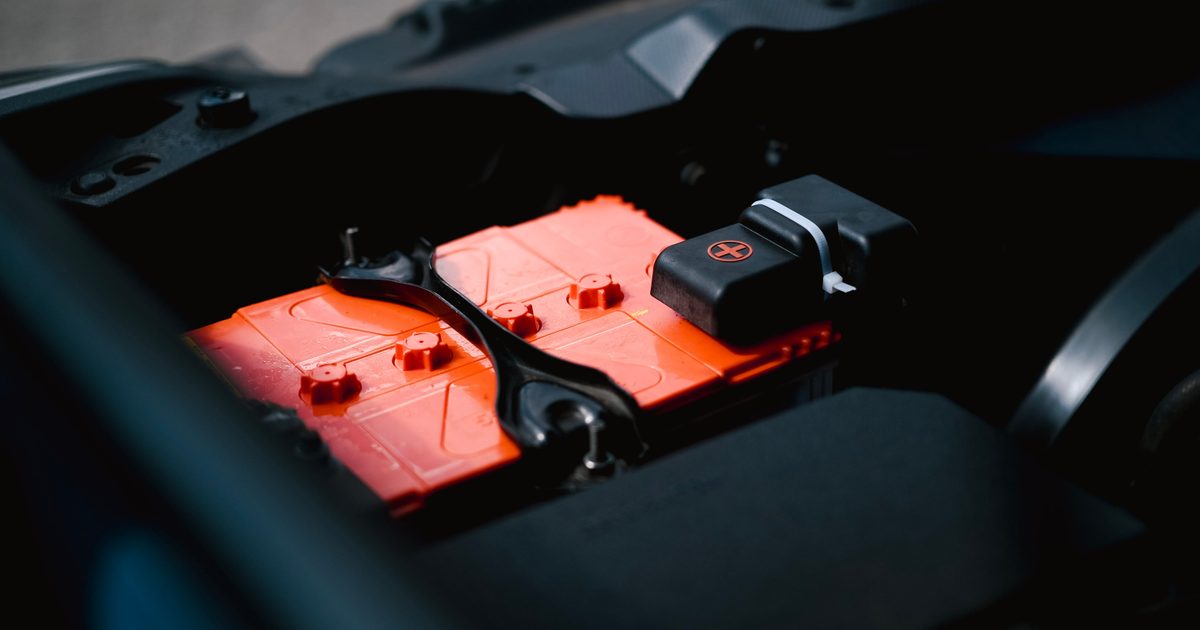
- Loose, corroded, or burnt battery terminals and cable clamps that can't pass the hundreds of amps needed to crank the engine, even with a charged battery
- A weak or discharged battery that has enough charge to energize the solenoid but cannot deliver sufficient cold cranking amps under load — note this usually causes rapid clicking, but can occasionally produce a single click
- A bad or corroded engine ground cable, which breaks the return path so current can't complete the starter circuit
- A faulty ignition switch or neutral safety switch that sends only a partial or intermittent signal to the starter relay
- A seized engine or hydrolock (coolant or fuel in a cylinder) — rare but serious, where the starter literally cannot turn the crankshaft
How to diagnose it in 60 seconds
- Do the headlight test
Turn the headlights on and have a helper turn the key. If the lights dim to almost nothing, the battery is weak or flat and is collapsing under the starter's load; if they stay bright, the fault is at the starter, ignition switch, or its wiring — not the battery.
- Tap the starter with a wrench
Safely locate the starter and tap its metal body firmly a few times with a wrench handle while a helper cranks the engine. If it suddenly cranks and starts, the starter has a dead spot in the commutator and is on its way out — it still needs replacement.
- Inspect and clean the battery terminals
Check that both positive and negative clamps are tight and free of white/blue corrosion. Clean the posts with a terminal brush, tighten the connections, then try starting again — a loose clamp is a frequent cause of a single click.
- Try a jump-start
Use jumper cables or a portable jump pack. If a boost cranks the engine normally, the battery is the problem; if it still only clicks once with a known-good boost, suspect the starter, solenoid, or their heavy-duty cables.
- Load-test the battery and check the ground
Have the battery load-tested free at an auto parts store. Also inspect the negative cable's connection to the engine block or chassis — a loose or corroded ground will cause a single click even with a healthy battery and clean terminals.
When to call a mechanic
- The battery passes a load test and the terminals are clean, but the engine still only clicks once — pointing to starter or solenoid replacement
- The starter is hard to reach, often buried under the intake manifold on transverse engines, or requires safely lifting the vehicle
- You suspect a seized engine, especially if the vehicle stalled in deep water or showed signs of internal failure before this happened
- Multiple electrical systems act up at once, suggesting a larger wiring, fuse, or ignition-switch fault beyond the starter itself
Frequently asked questions
Does a single click mean the battery or the starter?
A single click then silence usually points to the starter or its connections, not the battery. Rapid, repeated clicking is the classic sign of a dead or weak battery. Use the headlight test to confirm — headlights that stay bright point to the starter circuit, while lights that die out point to the battery.
What is the difference between a single click and rapid clicking?
A single loud click means the starter solenoid engages once but the starter motor doesn't spin — a starter circuit fault. Rapid, repeated clicking means the solenoid is rapidly engaging and releasing because battery voltage is collapsing under load, which is a battery or cable connection problem.
Does tapping the starter with a hammer really work?
Yes, temporarily. Tapping the starter body while cranking can jolt worn brushes back into contact with the commutator, letting the motor spin. It's a diagnostic trick that confirms a dying starter, not a permanent fix — the starter still needs replacement.
How much does it cost to fix a car that clicks once but won't start?
If it's the battery, expect $120-300 for a replacement. If it's the starter motor or solenoid, the typical cost is $300-700 including parts and labor. Cleaning corroded terminals yourself costs almost nothing.
Will a jump-start help if the car only clicks once?
Often, yes. If a weak battery is the cause, a jump-start will crank the engine. If the engine still only clicks once with a known-good boost, the problem is the starter, solenoid, or their wiring — not the battery.